Land scarcity turns redevelopment into Mumbai's biggest real estate growth story.
Enquire NowMumbai has effectively run out of fresh land to build on, and this simple fact is reshaping the entire trajectory of the city's real estate market. With almost no vacant parcels left in the island city and the western suburbs, developers are increasingly turning to redevelopment of ageing housing societies as the only realistic route to new supply. Industry data now confirms what has long been anecdotal: redevelopment is no longer a niche activity but the central pillar of Mumbai's housing growth strategy.
According to a Knight Frank India report, cooperative housing societies signed 70 redevelopment agreements covering 52 acres during the first quarter of 2026. What is notable is not just the volume but the changing scale of these deals. The average redevelopment plot area has grown from around 1,850 sq m in 2025 to nearly 3,000 sq m in 2026, and more than half of the agreements signed during the first quarter involve plots larger than 10,000 sq m, signalling a clear shift from fragmented, single-building projects toward integrated neighbourhood-scale redevelopment.
The scale of the opportunity is significant. Knight Frank estimates that ongoing projects could deliver nearly 59,000 new homes by 2031, helping address Mumbai's chronic housing shortage. Separately, a report citing 1,094 development agreements signed between January 2020 and March 2026 found this had unlocked nearly 432 acres of land for redevelopment across Mumbai. The backlog of eligible stock remains enormous: of the roughly 19,500 cessed buildings Mumbai had in 1955–56, approximately 13,000 remain pending for redevelopment, many of them rent-controlled structures built before 1969, many of which are structurally compromised. Urgency has intensified since in 2025, MHADA declared 96 cessed buildings in South Mumbai as extremely dangerous and asked residents to vacate.
Major developers are moving decisively to capture this opportunity, and Birla Estates is among the latest entrants. The Aditya Birla Group's real estate arm recently announced its first Mumbai Metropolitan Region redevelopment project, a joint venture with Parinee Real Estate Builders in Khar West. Birla Estates, a wholly owned subsidiary of Aditya Birla Real Estate, announced its entry into the MMR's redevelopment market with its first project in Khar West, Mumbai's western suburbs, with the project being developed under a joint redevelopment arrangement with Parinee Real Estate Builders, with a saleable area of 2.9 lakh square feet. Speaking on the entry, Ananya Birla, director, Aditya Birla Group, said Mumbai's redevelopment cycle presents a significant growth opportunity in a structurally land-constrained market, reshaping the city's real estate landscape. Adding to this momentum, Birla Estates recently acquired floor space index worth Rs 159 crore for the Khar redevelopment project, purchasing transferable development rights at around Rs 19,500 per sq m of FSI, underlining just how valuable development rights have become in a supply-starved market. The company has also expanded into Navi Mumbai, where in partnership with Priyanka Group, it will redevelop the Shiv Sai Co-operative Housing Society in Vashi, with a total revenue potential of ₹2,600 crores.
Birla Estates is far from alone in this race. The entry of major players into redevelopment is increasing competition among developers in Mumbai, with established players and new entrants actively targeting redevelopment opportunities to expand their presence. Market watchers note this rivalry is a net positive for buyers: this competitive environment is likely to improve project quality and accelerate development timelines. Geographically, activity is concentrated in specific micro-markets. Developers are focusing on areas like Andheri, Bandra, Borivali, Ghatkopar, Mulund and parts of South Mumbai to initiate major redevelopment hubs, while separate analysis names Borivali as the top redevelopment hotspot in Mumbai in 2026, with 176 agreements, the highest in the city.
For homebuyers, redevelopment projects carry distinct advantages over projects on raw land. They typically sit in established, well-connected neighbourhoods with existing social infrastructure, schools, hospitals and transit links already in place, rather than in far-flung upcoming corridors. As one report put it, developers equip the old constructions with newer ones while adding amenities such as parking spaces, modern water and electricity infrastructure and community centres. This is why redevelopment projects in these locations allow developers to create premium residential units that attract a higher selling price, and why prime corridors like Bandra and Khar continue to command among the steepest price points in the city.
That said, the market is not without headwinds. While redevelopment is expected to significantly boost housing supply, concerns remain about affordability and market absorption. Data from Liases Foras shows the Mumbai Metropolitan Region currently has an unsold inventory of approximately 288,850 homes, with industry observers citing affordability constraints as the primary reason behind the slow absorption of new housing supply. For buyers, this means redevelopment supply is growing, but pricing discipline and genuine end-user demand will determine which projects sell out and which sit on the market.
Looking ahead, the structural logic driving this shift is unlikely to reverse. Mumbai is one of India's most land-starved property markets, and most new supply today comes not from fresh land parcels but through redevelopment of old housing societies and ageing buildings. As redevelopment has emerged as a key avenue for new construction in established locations such as Khar, Bandra, Andheri and Juhu because assembling large contiguous land parcels remains challenging, homebuyers evaluating Mumbai in 2026 will find that the best new addresses are increasingly the ones being rebuilt, not built fresh.
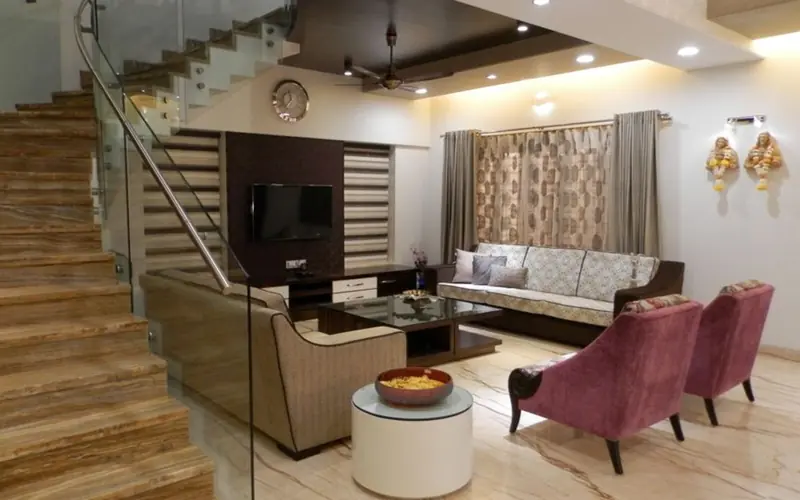
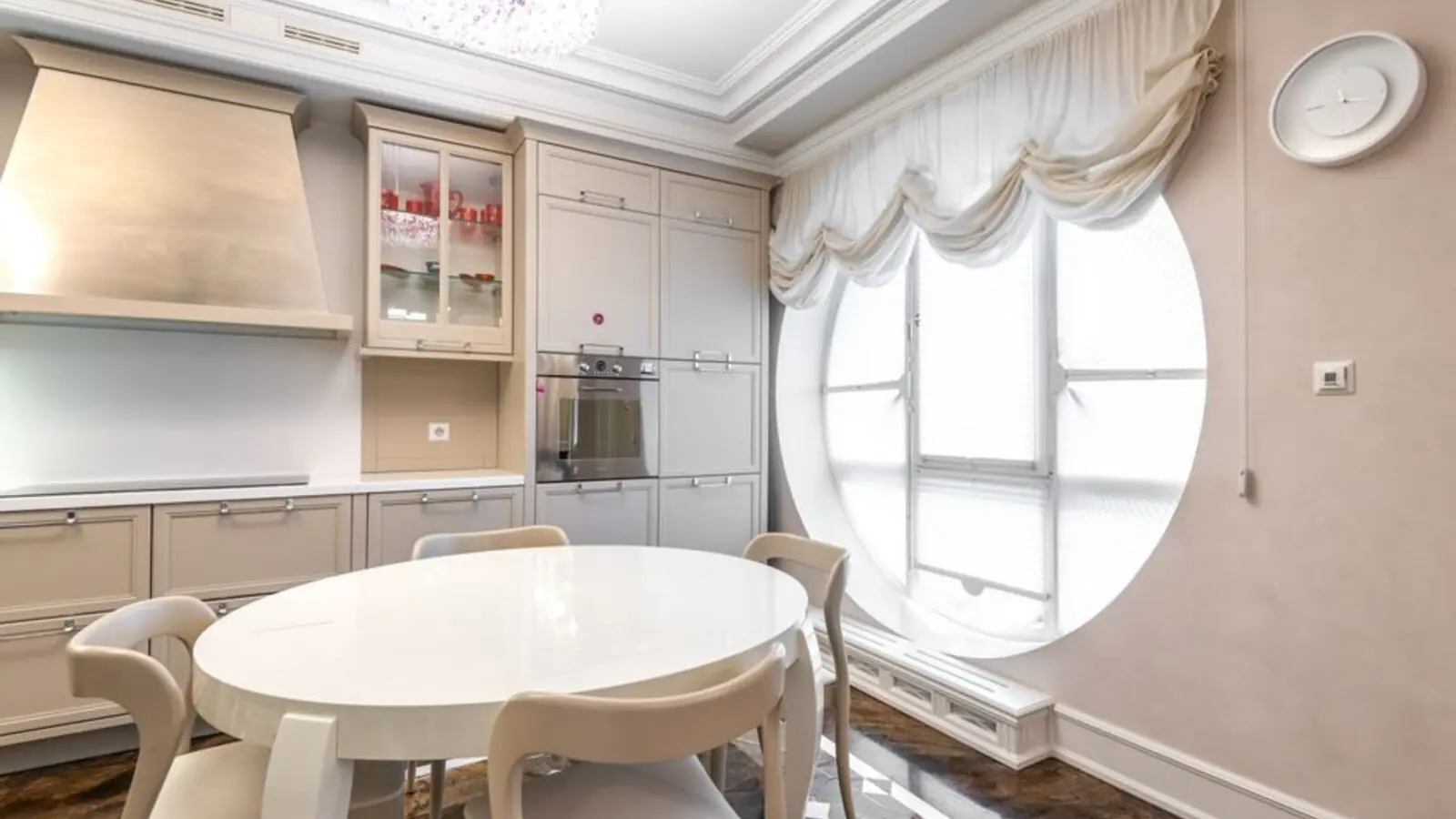
Bund Garden, Pune
1, 2, 3 BHK • Price on Request
Upcoming premium homes in central Pune
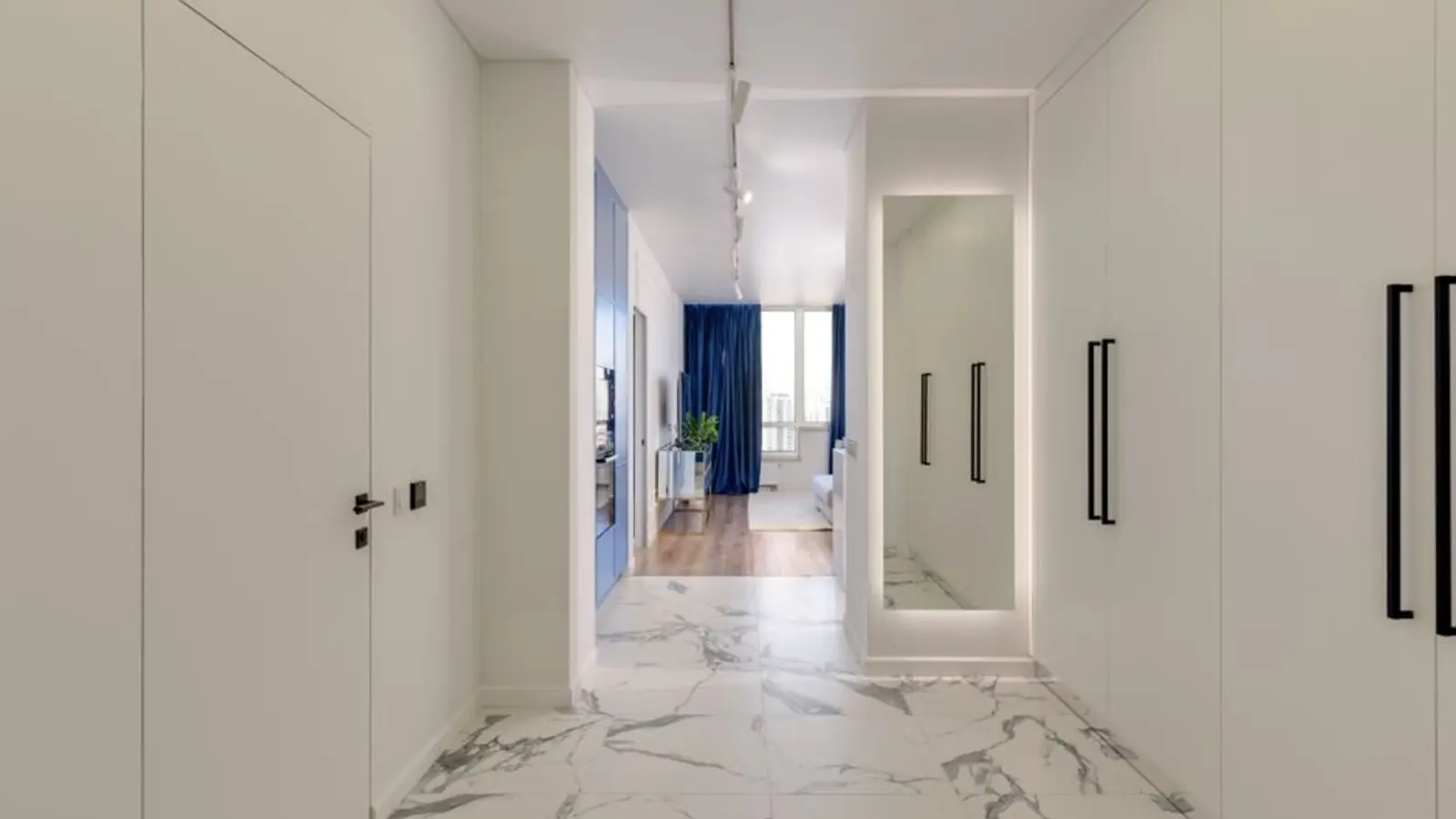
Varap, Kalyan
1, 2, 3 BHK • Price on request
Upcoming Birla Estates address on Murbad Road
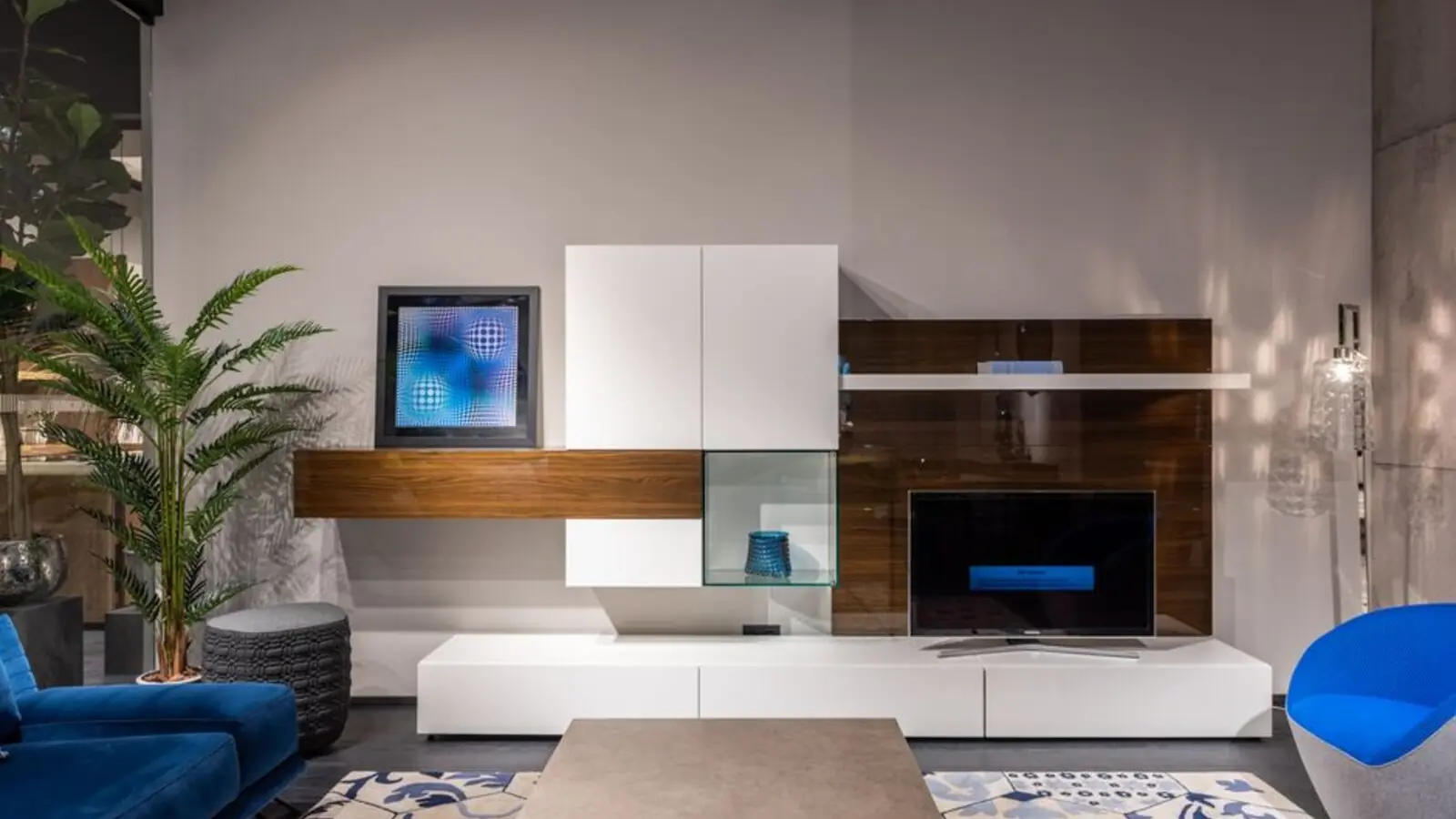
Hinjawadi, Pune
2, 3 BHK (proposed) • Price on request
Planned by Birla Estates for Pune's IT corridor
Sector 150, Noida
2, 3, 4 BHK • Price on Request
131-acre township with golf course & stadium
Rajendra Nagar, West Pune
2, 3, 4 BHK • Price on Request
Gated community near Hinjawadi belt
Alandi, Pune
2, 3 BHK • Price on Request
18-acre township, 75% open space
Rajarajeshwari Nagar, Bangalore
1, 2, 3 BHK • Price on Request
Pre-launch by Birla Estates
Bhandup West, Mumbai
1, 2, 3 BHK • Price on request
New-launch homes in Central Mumbai
Shared for informational purposes only; nothing here is an offer or a contract. Plans, prices, and visuals are representative and may be updated at any time. Verify independently before you commit. About · Projects
Share your details and our expert will call you back.