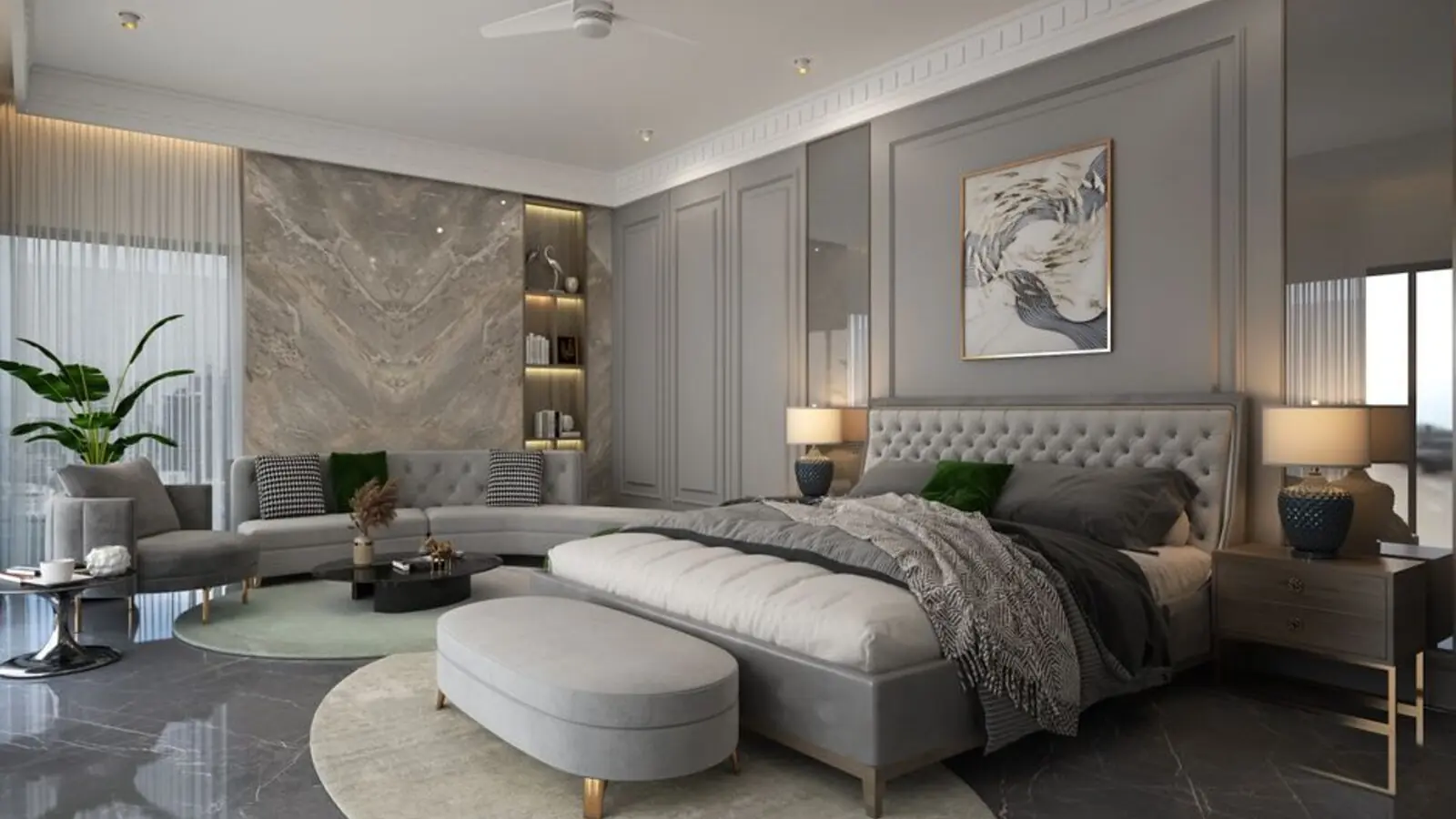
LifeDesigned homes in Worli, Khar West and Kalyan by Aditya Birla Group.
Enquire NowMumbai remains India's largest and most closely watched housing market, driven by land scarcity, high incomes, and continuous infrastructure upgrades. Official registration data shows the city recorded 85,549 transactions worth ₹1,33,358 crore between June 2025 and May 2026, reflecting steady end-user and investor demand despite a broader national slowdown. Redevelopment has become the defining growth engine for new supply, since Mumbai's geography leaves almost no vacant land for fresh construction, pushing developers toward rebuilding ageing housing societies into modern towers.
Aditya Birla Group's real estate arm, Birla Estates, has expanded its Mumbai footprint through this redevelopment route, entering Khar West with a ₹1,700 crore joint redevelopment project alongside Parinee Real Estate Builders. The company's broader Mumbai portfolio includes luxury towers in Worli and mid-income housing in Kalyan, catering to both the ultra-premium buyer and the aspirational upgrader. Group-wide, Birla Estates has lined up a Gross Development Value pipeline of roughly ₹60,000 crore for launches across Mumbai, Bengaluru, Pune and NCR.
Across the city, analysts describe 2026 as a market defined by clarity rather than speculation, where buyers now prioritise operational metro lines, completed highways, and visible redevelopment progress over launch-day hype. Prime addresses like South Mumbai and Bandra continue to command a premium for lifestyle and rental appeal, while emerging corridors such as Thane, Navi Mumbai and parts of the central suburbs are seeing sharper appreciation on the back of new connectivity.
Property rates in Mumbai vary enormously by micro-market, ranging from budget suburban pockets to ultra-premium sea-facing addresses. City-wide averages continue to trend upward on the back of constrained supply and infrastructure-led demand.
Mumbai City Average
Mumbai South
Western Suburbs
Central Suburbs
Mumbai Harbour
Khar West (Q4 2025)
From South Mumbai's heritage addresses to the fast-growing corridors of Thane and Kalyan, Mumbai offers a wide spread of residential options for every budget and lifestyle need.
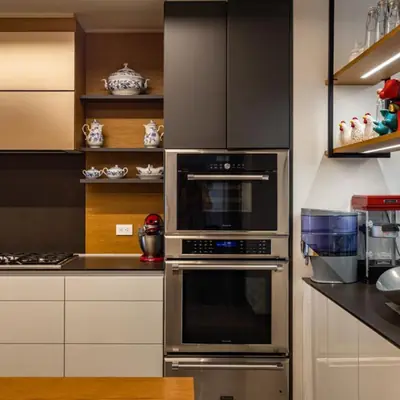
A premium South Mumbai address overlooking the Bandra-Worli Sea Link, home to Birla Niyaara and known for sea-facing high-rises and strong redevelopment activity.
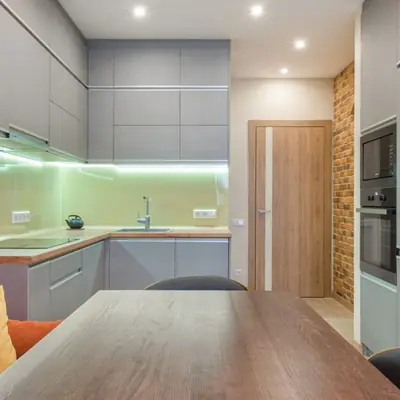
One of the city's sought-after western suburb micro-markets, now home to Birla Estates' first Mumbai redevelopment project with rates crossing ₹56,000/sqft.
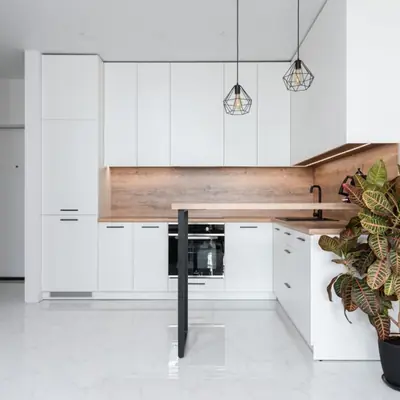
An established lifestyle and luxury hub sustaining premium pricing due to strong rental demand and connectivity via the Sea Link and Western Express Highway.

A commercial and residential hotspot benefiting from metro connectivity, the Western Express Highway, and proximity to the international airport.
A high-end central suburb known for IT parks, the Hiranandani Gardens ecosystem, and consistently strong appreciation.
A self-sufficient urban ecosystem with improving metro connectivity, drawing sustained long-term housing demand at more accessible price points.
A fast-growing Kalyan-Dombivli corridor with strong rail connectivity, home to Birla Vanya and popular with first-time and mid-income buyers.
Upscale and mid-segment localities gaining momentum ahead of the Navi Mumbai International Airport and Trans Harbour Link.
Mumbai's real estate momentum in 2026 is closely tied to infrastructure that has moved from promise to reality. The Mumbai Coastal Road is now fully operational, cutting travel time between the western suburbs and South Mumbai and lifting demand in Worli and Bandra. Multiple metro lines have gone live across the city, improving east-west connectivity and benefiting interchange nodes like Ghatkopar, while the Mumbai Trans Harbour Link and the upcoming Navi Mumbai International Airport are reshaping value across Navi Mumbai and the eastern corridors.
Beyond South Mumbai, growth corridors like Boisar are being powered by the Mumbai-Ahmedabad bullet train project, the Tarapur MIDC industrial belt, and the Delhi-Mumbai Industrial Corridor (DMIC), pulling long-term residential demand outward. Kalyan and the wider Kalyan-Dombivli belt continue to benefit from planned multimodal corridors connecting to Virar, Bhiwandi, Panvel and Alibaug, further strengthening the investment case for the city's expanding periphery.
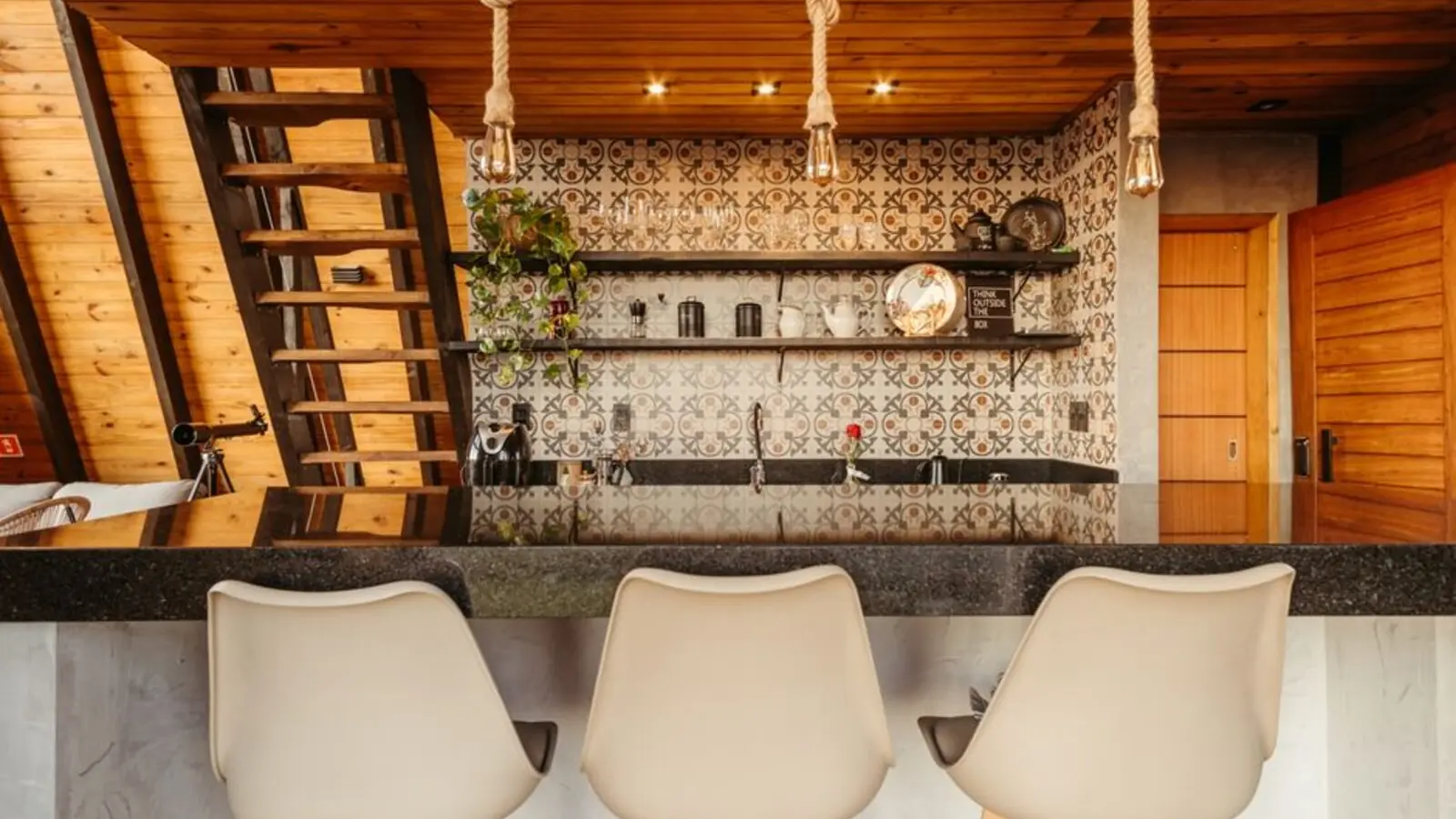
Bhandup West, Mumbai
1, 2, 3 BHK • Price on request
New-launch homes in Central Mumbai
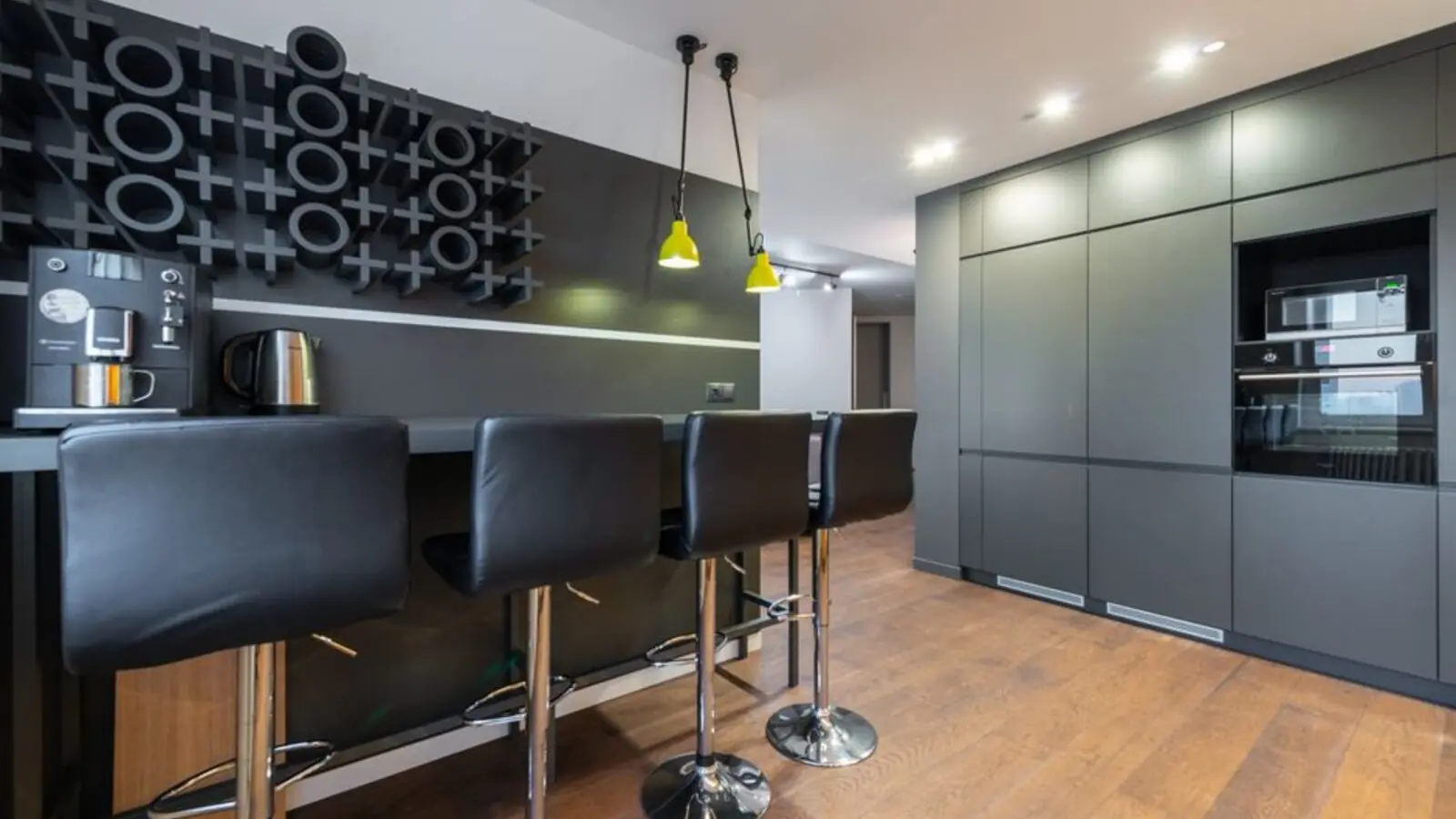
Worli, Mumbai
2, 3, 4, 5, 6 BHK • Rs 4.50 Cr onwards*
15-acre Century Mills address
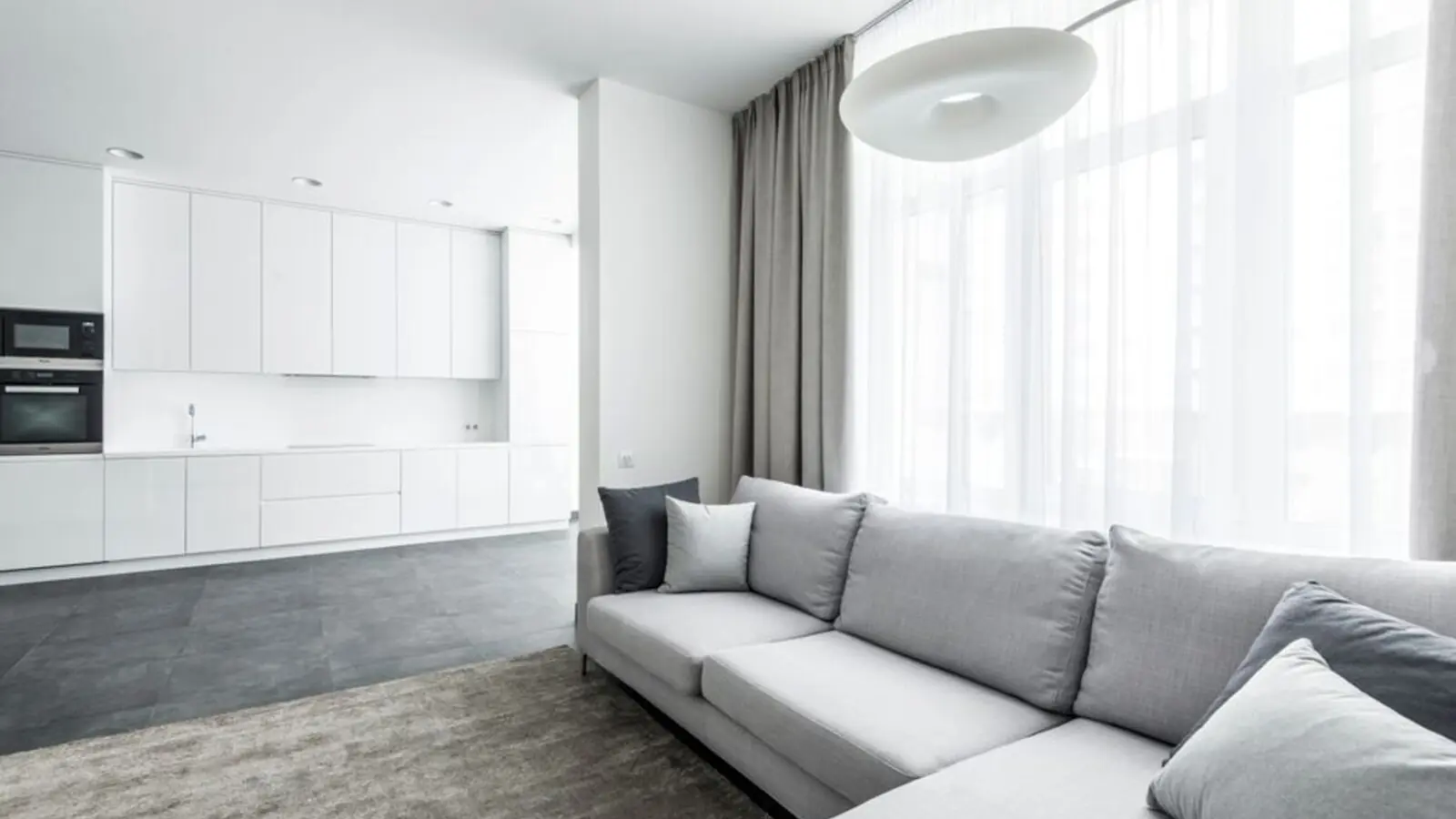
Mulund West, Mumbai
2, 3, 4 BHK • Price on request
Premium homes by Birla Group
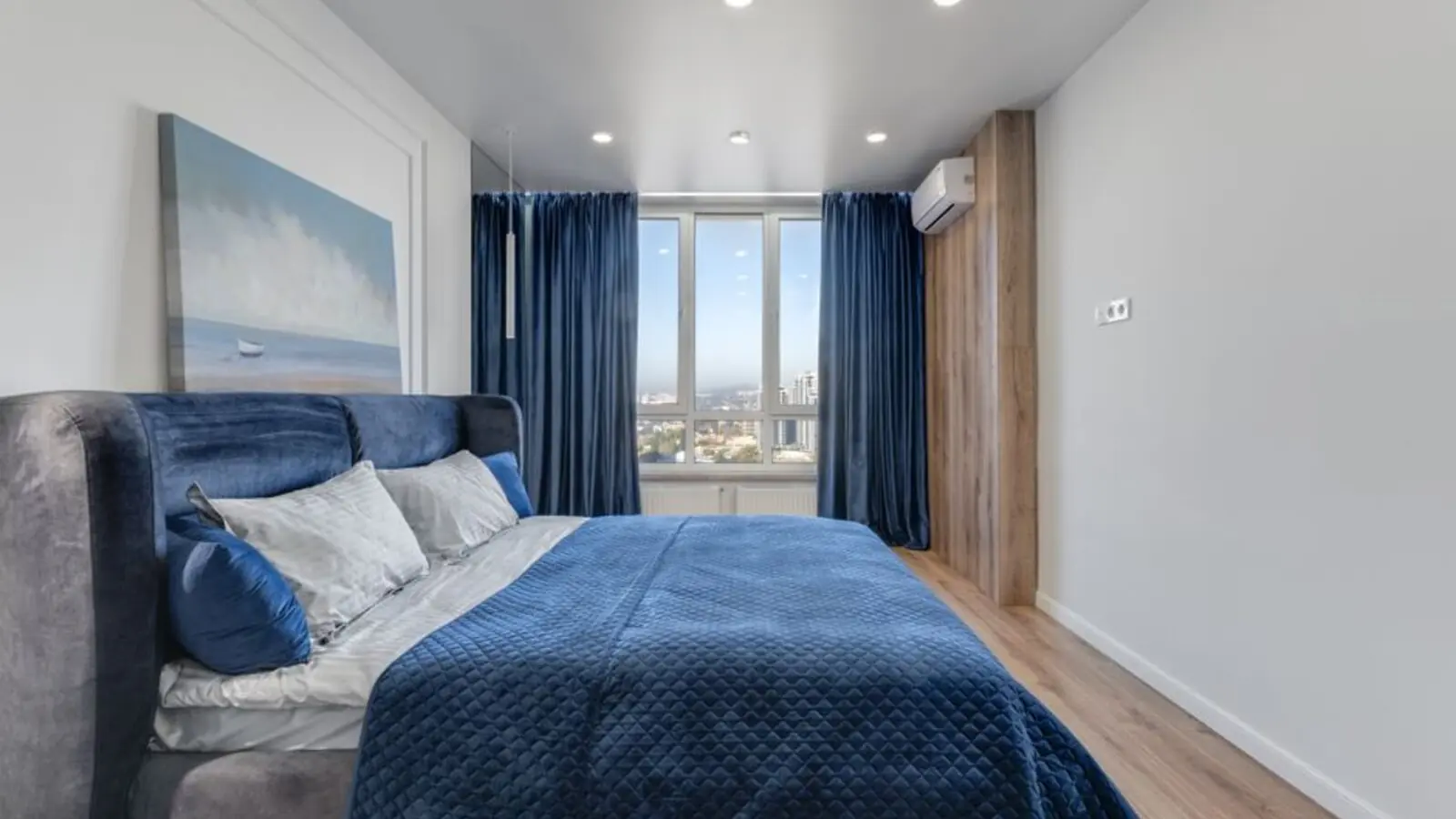
Panvel, Navi Mumbai
1, 2, 3 BHK, NA Plots & Villas • Price on request
Conceptual township near NMIA
Shared for informational purposes only; nothing here is an offer or a contract. Plans, prices, and visuals are representative and may be updated at any time. Verify independently before you commit. About · Projects
Share your details and our expert will call you back.