Enhanced connectivity reshaping property values and investment patterns

India's longest expressway nears completion, unlocking unprecedented real estate growth.

Enquire Now

Delhi-Mumbai Expressway: The Infrastructure Game-Changer Redefining Real Estate

The Delhi-Mumbai Expressway is a state-of-the-art, 1,386-km-long expressway aimed at reducing travel time between Delhi and Mumbai to just 12 hours. This eight-lane expressway, which can be expanded to 12 lanes in the future, is expected to boost trade, improve logistics, and facilitate smoother transit between two of India's most significant metropolitan regions.

The Government has taken up the implementation of this corridor under the Bharatmala Pariyojana, with 54 construction packages covering a total length of 1,445 km, out of which 929 km has been operationalised. Out of the 912 km total of the Delhi-Vadodara section, 697 km has been operationalized, and 215 km is under implementation, with the Delhi-Vadodara Section targeted for completion by June 2026.

Property Values on the Rise

The development of the Delhi-Mumbai Expressway has already begun to have a significant impact on real estate prices along its corridor, with proximity to the expressway becoming a key factor driving property prices and attracting investors eyeing lucrative opportunities. Infrastructure-driven growth is expected to push property prices up by 15-20% in emerging sectors like 102, 103, 104, and 111, which are rapidly transitioning from peripheral to prime locations.

Analysts predict a 20–30% increase in property values by 2030, especially in premium sectors along the Dwarka Expressway link. This stretch has been playing a pivotal role in strengthening the connectivity and development potential of Gurgaon real estate, linking Gurgaon directly with Delhi and Jaipur, while also smoothening access to major hubs like Sohna, Manesar, and New Gurgaon.

Emerging Hotspots & Development Acceleration

The expressway is fostering the development of emerging real estate corridors like Sohna, Manesar, and New Gurgaon. These areas, previously considered secondary locations, are now seeing rapid infrastructure development, new housing projects, and increased demand, with builders and developers launching premium residential and commercial projects leading to overall appreciation in property values.

Apart from residential growth, the expressway is also fostering the development of logistics parks, industrial zones, and commercial hubs. This surge in commercial activity is attracting businesses and generating employment, further driving demand for housing and rental properties.

Investment Momentum & Long-Term Outlook

Properties along the corridor are already seeing an increase in demand as buyers look to capitalize on the expected infrastructure boom. A future characterized by enhanced urban connectivity, decentralized economic hubs, surging industrial and logistics activity, and significant appreciation in property values across strategically located corridors is forecast.

The Delhi-Mumbai Expressway is expected to reduce logistics costs by 8–9% saving Rs 100,000 crore, making it transformative for commercial real estate and supply chain optimization. For homebuyers and investors, the window to capture early-stage gains in expressway-adjacent markets is narrowing as awareness and capital flow increase across NCR, Rajasthan, and Gujarat corridors.
Project

BIRLA Projects

Birla Estates Bund Garden
Upcoming

Birla Estates Bund Garden

Bund Garden, Pune

1, 2, 3 BHK • Price on Request

Upcoming premium homes in central Pune
Birla Estates Mharal-Varap, Kalyan
Upcoming

Birla Estates Mharal-Varap, Kalyan

Varap, Kalyan

1, 2, 3 BHK • Price on request

Upcoming Birla Estates address on Murbad Road

BIRLA NAVYA HINJAWADI
Upcoming

BIRLA NAVYA HINJAWADI

Hinjawadi, Pune

2, 3 BHK (proposed) • Price on request

Planned by Birla Estates for Pune's IT corridor
Birla Sector 150 Noida
Upcoming

Birla Sector 150 Noida

Sector 150, Noida

2, 3, 4 BHK • Price on Request

131-acre township with golf course & stadium

Birla Trimaya, Rajendra Nagar
Upcoming

Birla Trimaya, Rajendra Nagar

Rajendra Nagar, West Pune

2, 3, 4 BHK • Price on Request

Gated community near Hinjawadi belt
Birla Alandi
Pre-Launch

Birla Alandi

Alandi, Pune

2, 3 BHK • Price on Request

18-acre township, 75% open space

BIRLA ARNAA
Pre-Launch

BIRLA ARNAA

Rajarajeshwari Nagar, Bangalore

1, 2, 3 BHK • Price on Request

Pre-launch by Birla Estates
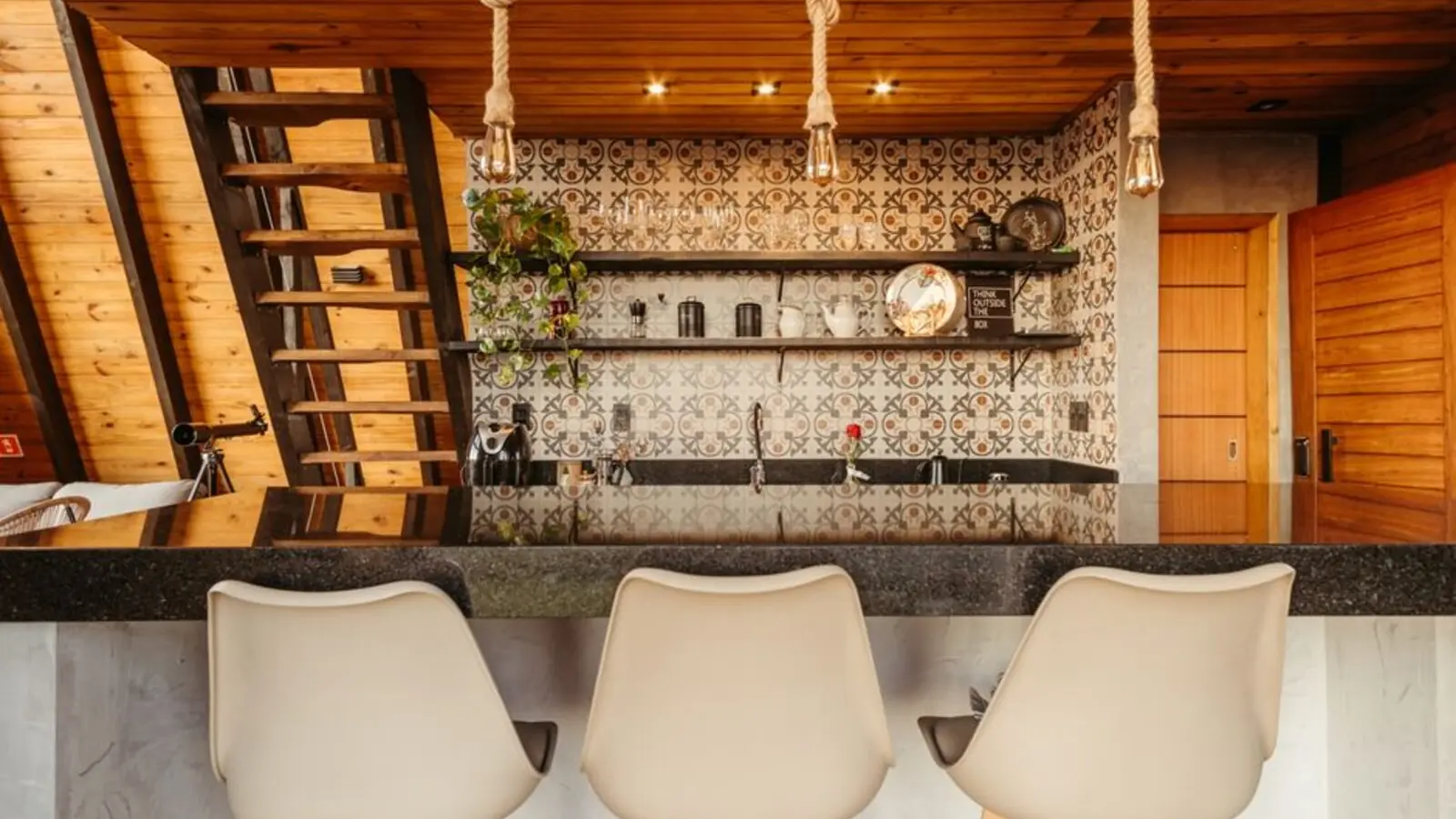
BIRLA BHANDUP
Pre-Launch

BIRLA BHANDUP

Bhandup West, Mumbai

1, 2, 3 BHK • Price on request

New-launch homes in Central Mumbai

Get In Touch

Fill in your details and we will reach out to you.

Back

FAQs

What is the current completion status of the Delhi-Mumbai Expressway?
Out of the 912 km total of the Delhi-Vadodara section, 697 km has been operationalized, with the Delhi-Vadodara Section targeted for completion by June 2026. However, progress on the Vadodara–Mumbai section, particularly in Gujarat, has been impacted by delays, with those packages in Gujarat targeted for completion by March 2028 while other packages would be completed in 2026.
How will the expressway reduce travel time between Delhi and Mumbai?
The Delhi-Mumbai expressway is under construction and will reduce travel time between the two metros from 20 hours to just 12 hours. This 1,386-km-long, eight-lane expressway is expected to boost trade, improve logistics, and facilitate smoother transit between two of India's most significant metropolitan regions.
Which areas are seeing the highest property appreciation along the corridor?
Emerging real estate corridors like Sohna, Manesar, and New Gurgaon are seeing rapid infrastructure development and new housing projects, with these areas previously considered secondary locations now witnessing increased demand. Infrastructure-driven growth is expected to push property prices up by 15-20% in emerging sectors like 102, 103, 104, and 111.
What percentage price increase can investors expect by 2030?
Analysts predict a 20–30% increase in property values by 2030, especially in premium sectors along the Dwarka Expressway link. These projections are based on infrastructure-led development and commercial growth in high-connectivity zones.
How does the expressway impact commercial and logistics real estate?
The expressway is fostering the development of logistics parks, industrial zones, and commercial hubs, with this surge in commercial activity attracting businesses and generating employment, further driving demand for housing and rental properties.
Which states does the Delhi-Mumbai Expressway pass through?
The Delhi Mumbai Expressway connects Delhi and Mumbai while passing through six key states: Delhi, Haryana, Rajasthan, Madhya Pradesh, Gujarat, and Maharashtra. Emerging metropolitan areas like Jaipur, Kota, Ratlam, and Vadodara are traversed by this expressway, with other major cities like Bhopal, Ahmedabad, and Indore within driving distance.
What cost savings does the expressway bring to logistics and commerce?
The Delhi-Mumbai Expressway is expected to reduce logistics costs by 8–9% saving Rs 100,000 crore. The expressway will fundamentally alter commute patterns, reduce operational costs for businesses, and unlock the development potential of previously untapped regions.
Why are secondary locations like Sohna and Manesar becoming prime real estate hubs?
Improved linkage is accelerating the pace of infrastructure upgrades and unlocking new pockets for growth, with the impact of Delhi-Mumbai Expressway on Gurgaon creating favourable conditions for property investment with improved connectivity and upcoming developments boosting demand in high-potential areas.
Is now a good time to invest in expressway-adjacent properties?
Properties along the corridor are already seeing an increase in demand as buyers look to capitalize on the expected infrastructure boom. For those exploring property investment, the timing could be opportune, with the expressway redefining the trajectory of real estate in the positive direction from improved liveability to long-term asset appreciation.
How much has been invested in the Delhi-Mumbai Expressway project so far?
The sanctioned cost of the Delhi–Mumbai Expressway is Rs 96,547 crore, against which an expenditure of Rs 77,558 crore has been incurred up to December 2025. This represents a significant investment in India's flagship infrastructure initiative.

Shared for informational purposes only; nothing here is an offer or a contract. Plans, prices, and visuals are representative and may be updated at any time. Verify independently before you commit. About · Projects