Rising prices, steady demand, metro-driven growth shaping the city's real estate.
Enquire NowThe Pune real estate market in 2026 is in one of its healthier phases in over a decade. The market reflects a consolidation phase after a strong growth cycle, signaling maturity rather than slowdown. Yet beneath this measured exterior lies significant movement—rising property prices, evolving buyer preferences, and infrastructure-driven transformation.
Price Trajectory: Steady, Not Speculative
Residential prices increased by around 5% year-on-year in 2025, reaching an average of ₹5,016 per sq ft. The city's average flat price has crossed ₹12,950 per sq ft—a figure that would have seemed ambitious as recently as 2022. By 2026 analysts expect capital values to keep growing by around 5–10 percent per year, which is higher than normal inflation. This upward trajectory reflects genuine demand, not speculation. Demand remains steady, with property registrations crossing 1.44 lakh between January and August 2025, showing a 13 percent annual increase, indicating continued end-user-driven growth.
The Premiumisation Shift
Buyer preferences are evolving distinctly. Homes priced between ₹1–2 crore witnessed nearly 300% growth in units sold since 2021. 3 and 4BHK units have now moved up from 20% to 29% of the new launches in 2025, reflecting post-pandemic lifestyle changes, with homebuyers prioritising dedicated workspaces and family areas. The market is seeing a clear tilt toward mid and premium housing, with higher-value transactions increasing even when overall volumes fluctuate.
Key Demand Hotspots
Hinjewadi, Baner, and Kharadi remain central to Pune's IT-driven housing demand, often accounting for 40 to 60 percent of sales. Hinjewadi, Asia's largest IT park, continues to be the cornerstone of real estate growth and provides jobs to more than 400,000 professionals. The key growth corridors in Pune for 2026 include Hinjewadi–Wakad, Kharadi–Wagholi, Talegaon–Chakan, and Hadapsar–Undri. Emerging areas like Mahalunge and Punawale are gaining traction due to affordability and benefiting from spillover demand from Baner and Wakad.
Infrastructure: The Ultimate Price Driver
Infrastructure is the biggest driver of real estate values in Pune going into 2026, even more than in many other Tier-1 cities, because the city historically lacked strong public transport. The Hinjewadi–Shivajinagar Metro Line 3, targeted around 2026, is set to cut commute time from up to two hours to about forty minutes and create a clear 'metro premium' around stations. Properties within walking distance of operational metro stations have begun to command a measurable premium over the surrounding market.
Investment Returns & Market Health
Residential properties give rental returns between 3-5% annually, while some areas can reach 5.5-6%. The city's property market stands out because it has low unsold inventory and real buyers instead of speculators, creating a healthy market where prices typically grow 6-10% annually. This fundamental strength—driven by consistent end-user demand and employment growth—separates Pune from speculative markets.
Market Outlook: Stability with Opportunity
As we progress through 2026, trends in Pune real estate suggest continued stability with selective growth opportunities. After holding the repo rate steady through most of 2025, the Monetary Policy Committee has signalled a dovish pivot, with February 2026 delivering the first rate cut, with expectations for further 25–50 bps of cuts in the April–August 2026 MPC meetings. A 50 bps rate reduction on a ₹1Cr loan over 20 years reduces the EMI by approximately ₹3,200 per month—equivalent to a 3.5–4% improvement in affordability.
For homebuyers and investors, 2026 presents a paradox: prices have risen meaningfully, but affordability is improving thanks to rate cuts, while the market remains anchored by real demand rather than hype. This combination—steady fundamentals, measured growth, and improved financing terms—makes Pune one of India's most balanced real estate markets.
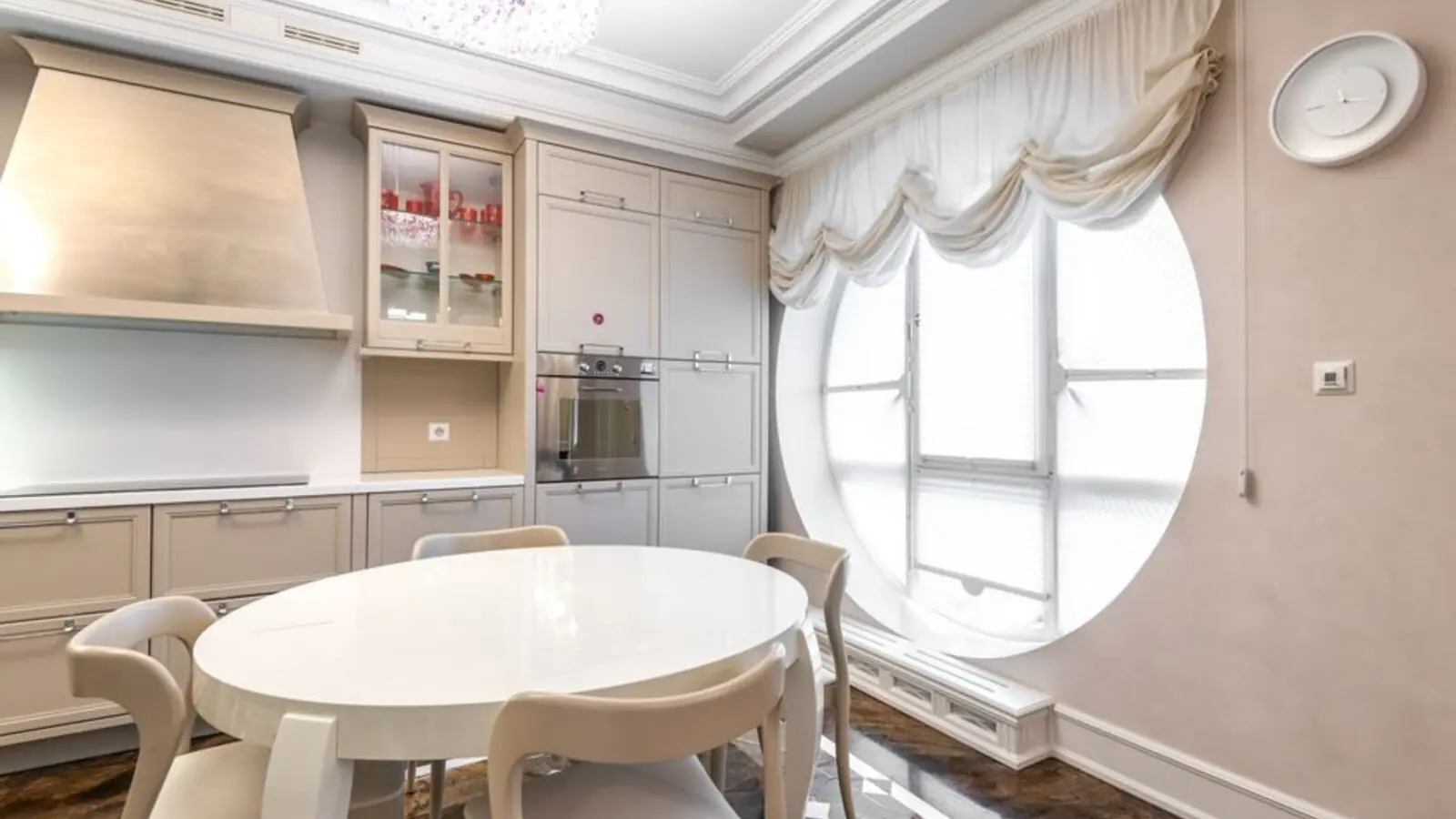
Bund Garden, Pune
1, 2, 3 BHK • Price on Request
Upcoming premium homes in central Pune
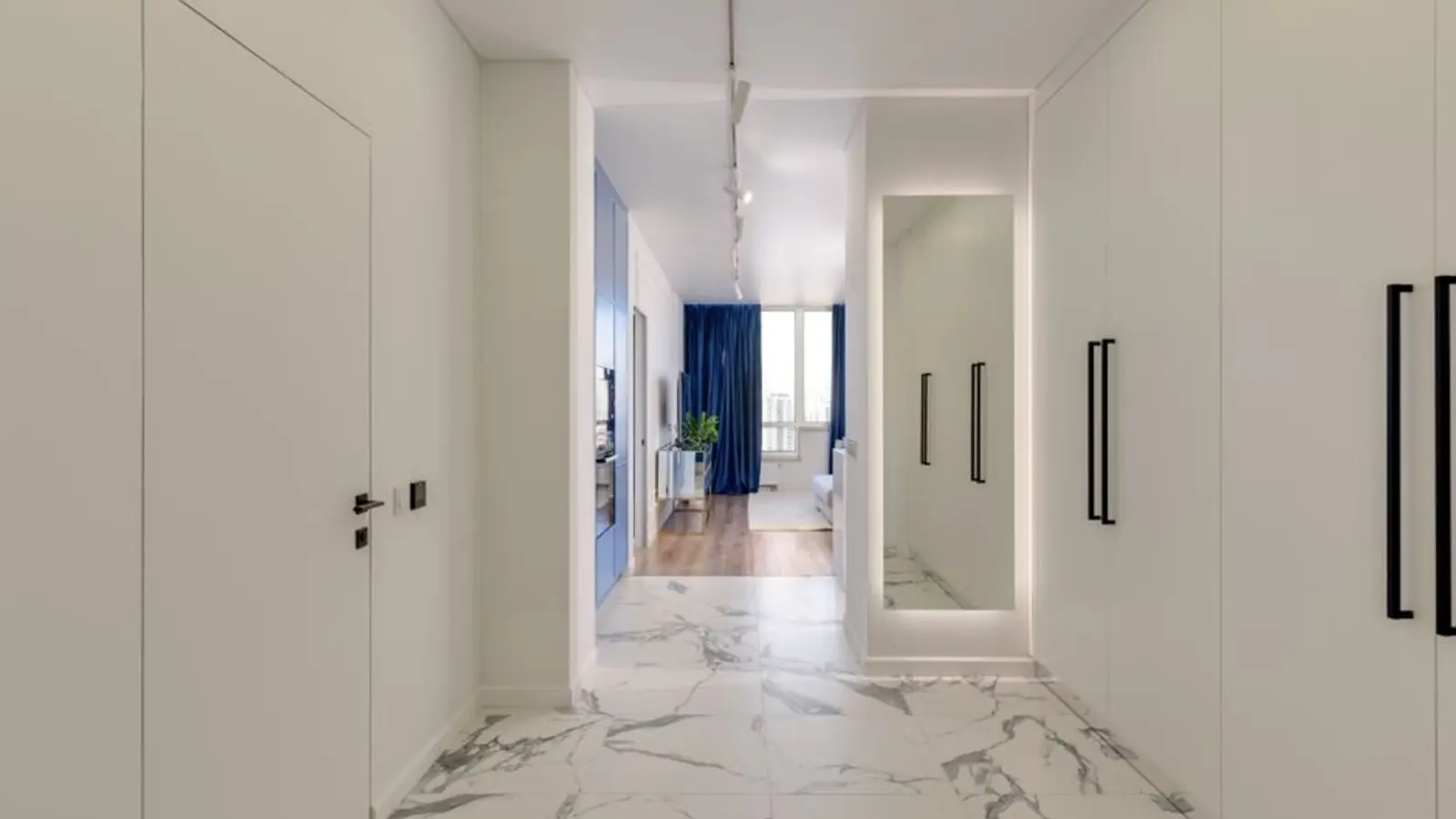
Varap, Kalyan
1, 2, 3 BHK • Price on request
Upcoming Birla Estates address on Murbad Road
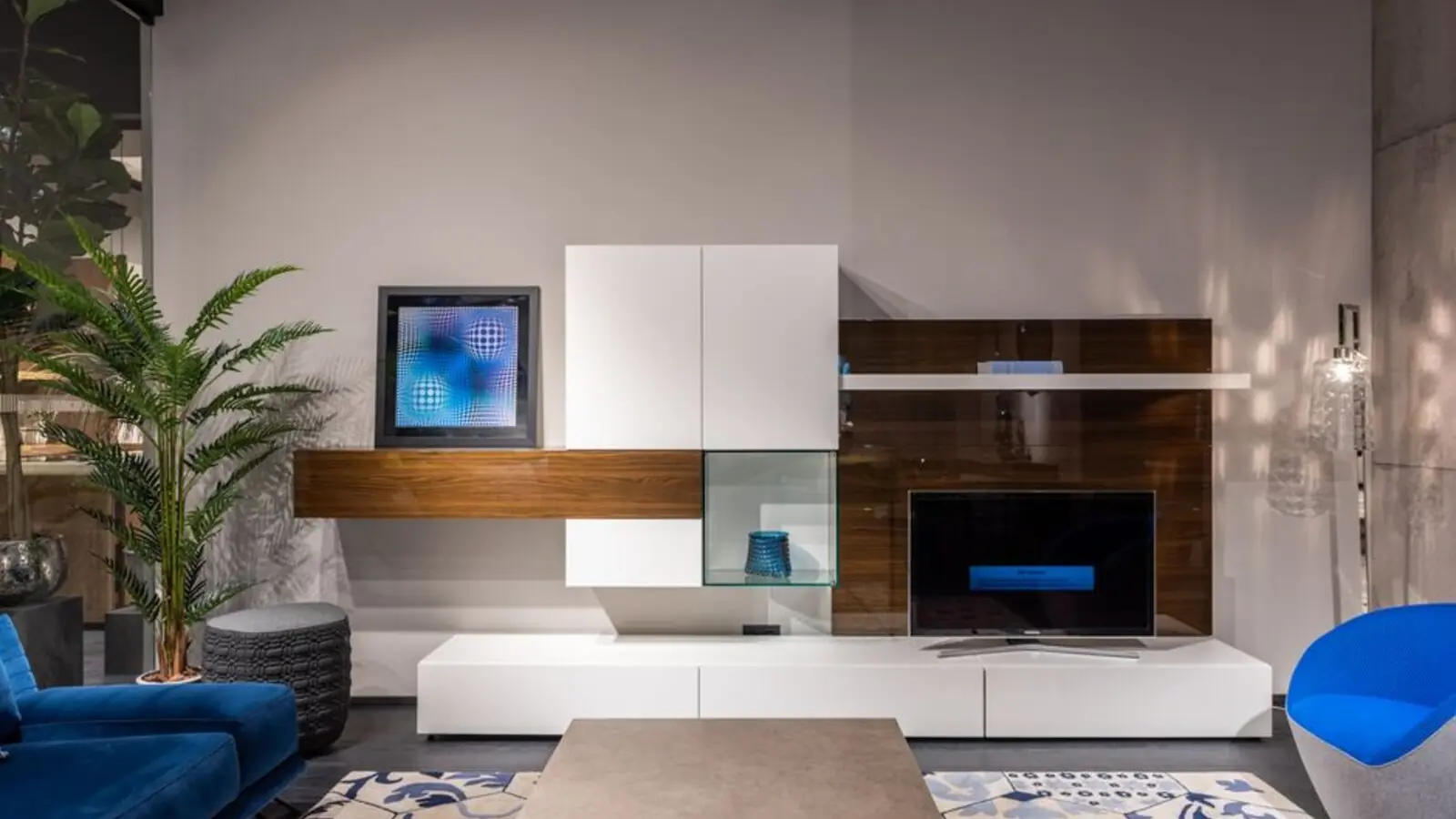
Hinjawadi, Pune
2, 3 BHK (proposed) • Price on request
Planned by Birla Estates for Pune's IT corridor
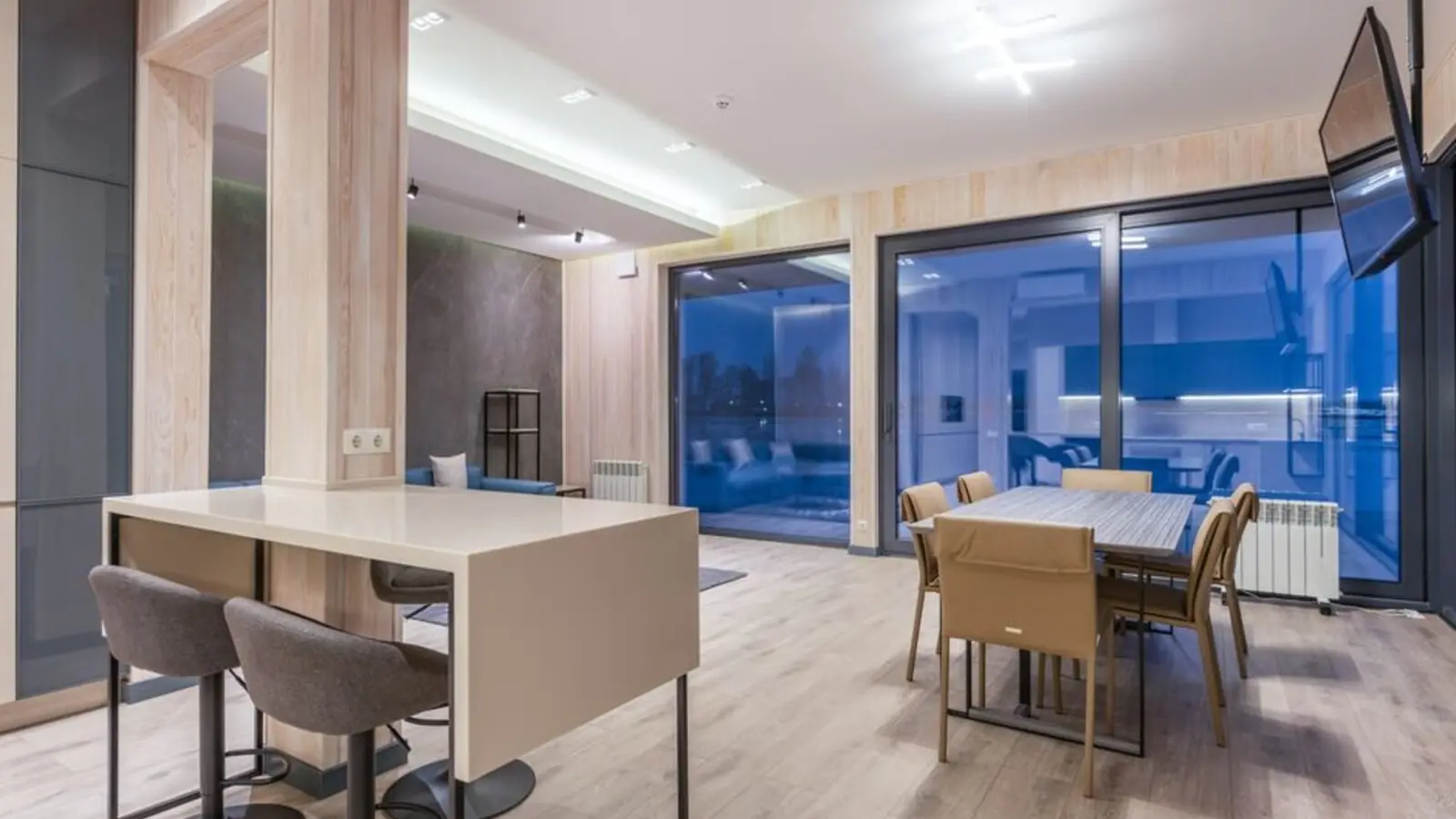
Sector 150, Noida
2, 3, 4 BHK • Price on Request
131-acre township with golf course & stadium
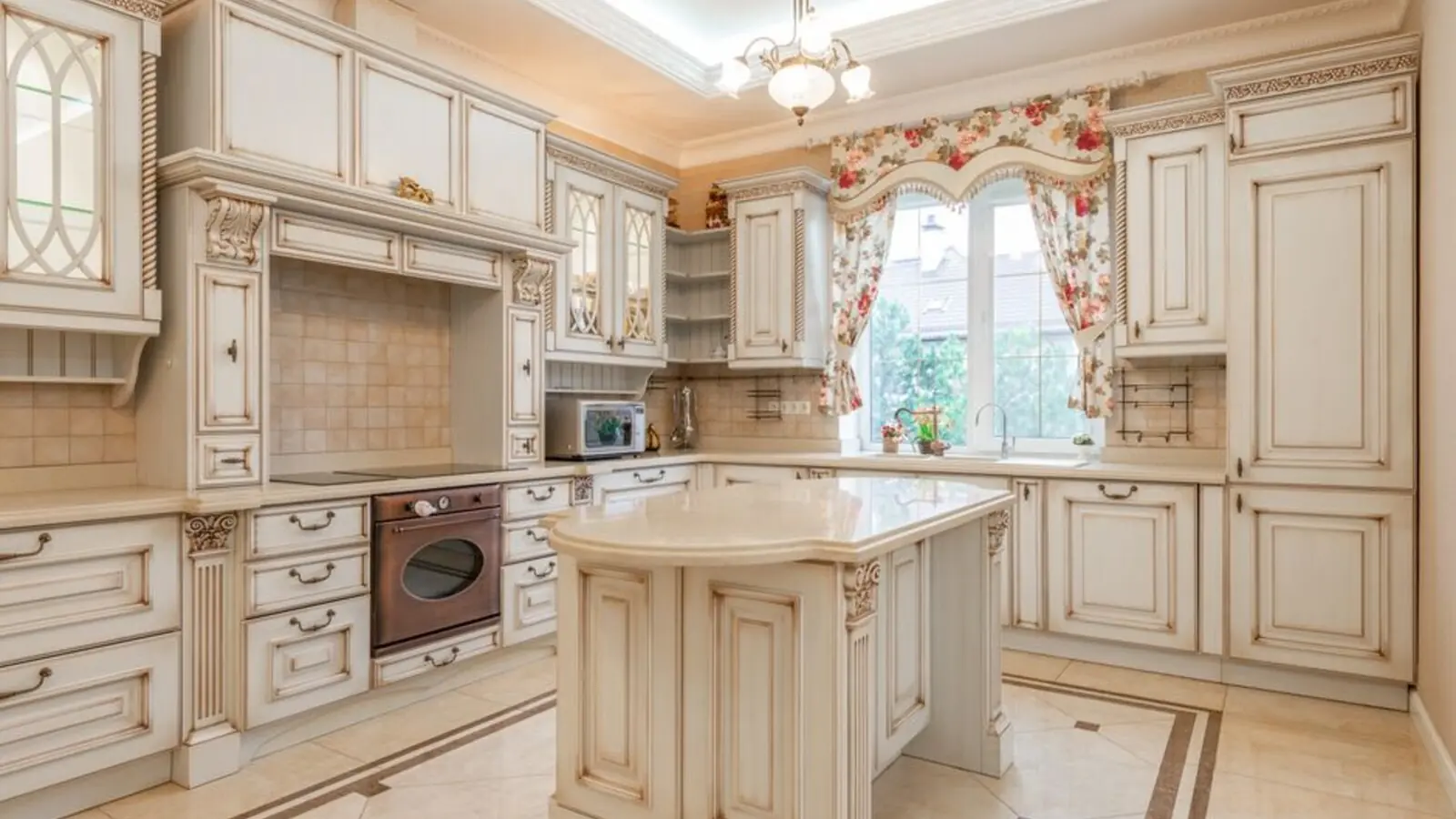
Rajendra Nagar, West Pune
2, 3, 4 BHK • Price on Request
Gated community near Hinjawadi belt
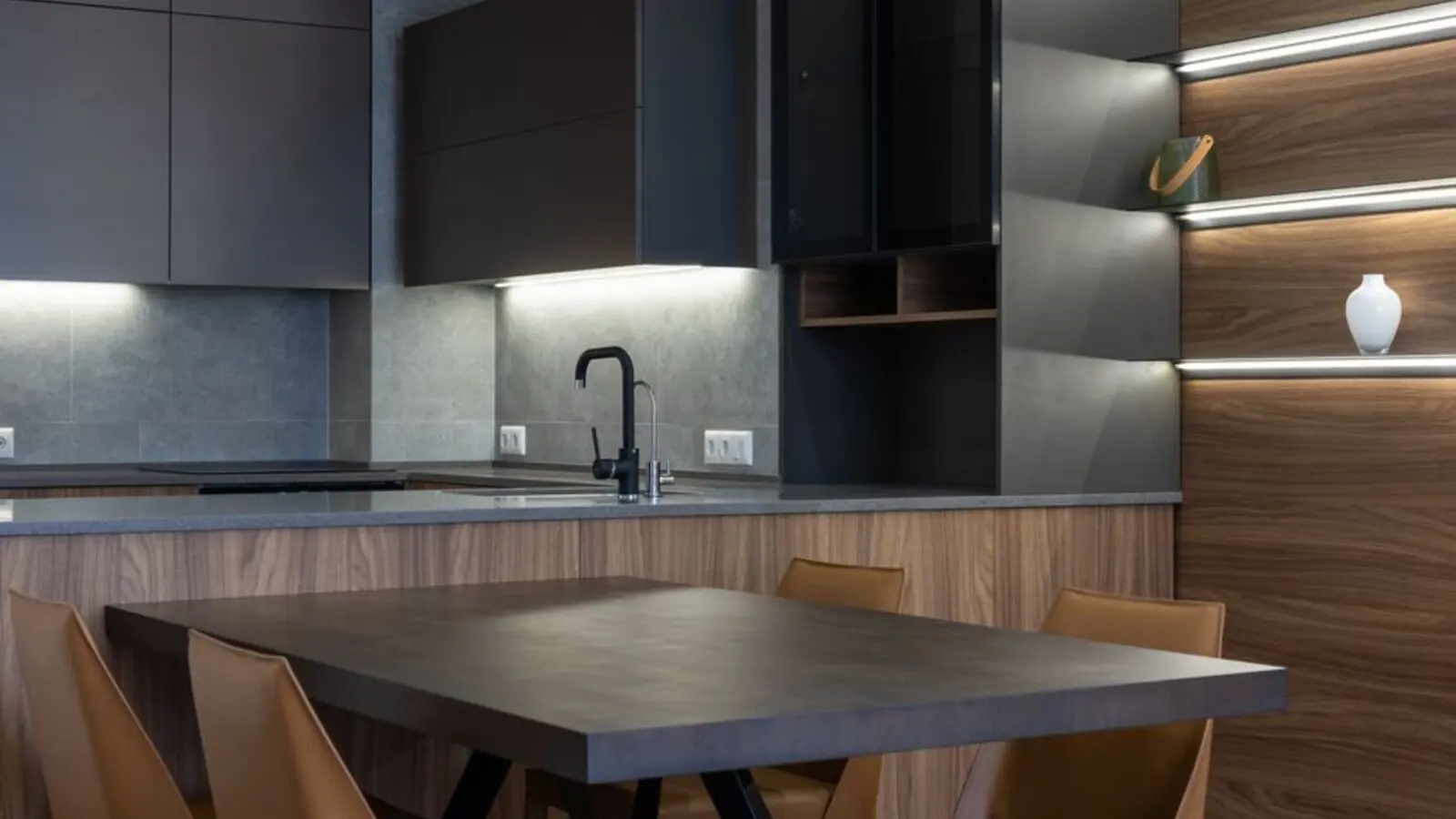
Alandi, Pune
2, 3 BHK • Price on Request
18-acre township, 75% open space
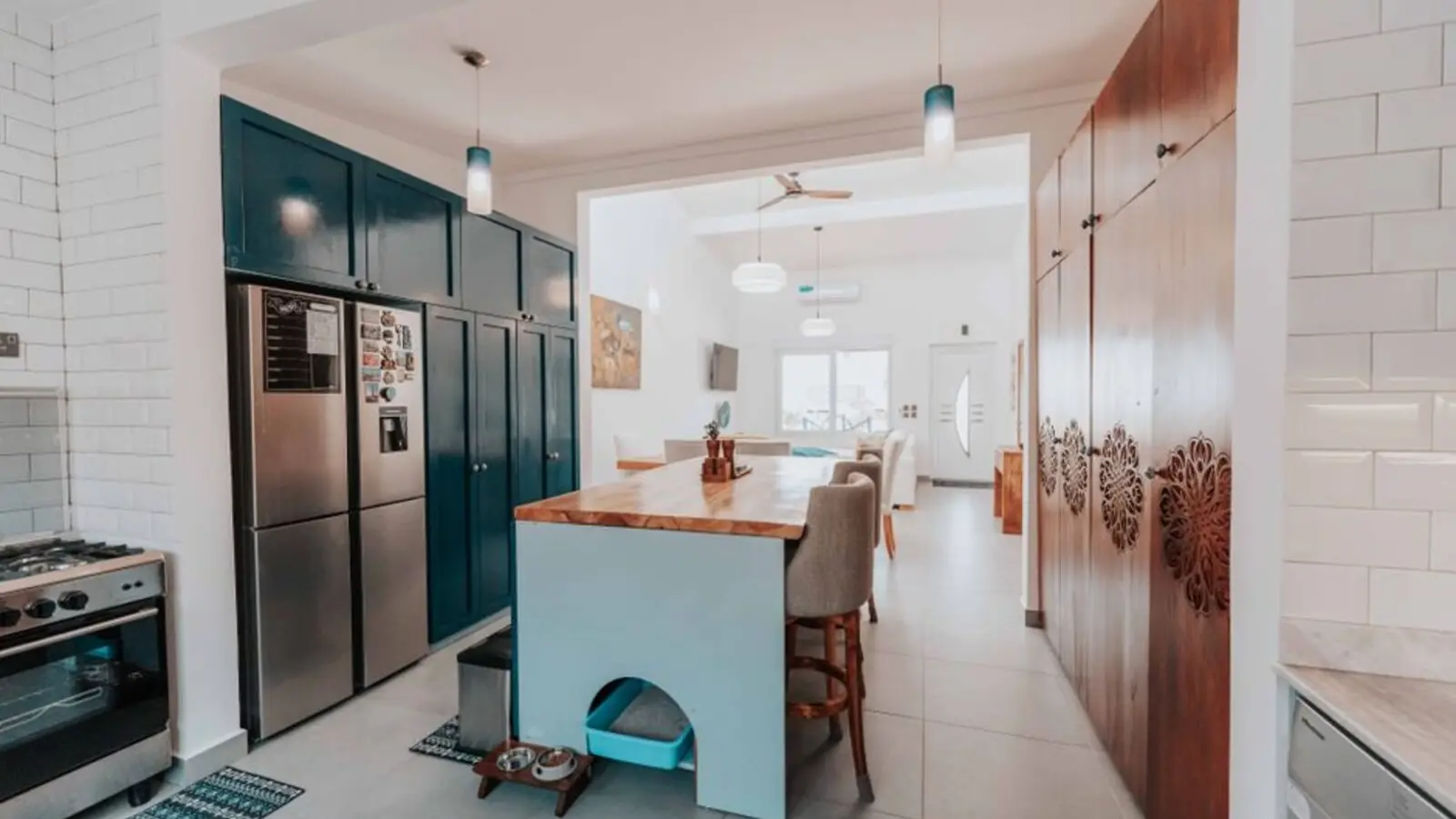
Rajarajeshwari Nagar, Bangalore
1, 2, 3 BHK • Price on Request
Pre-launch by Birla Estates
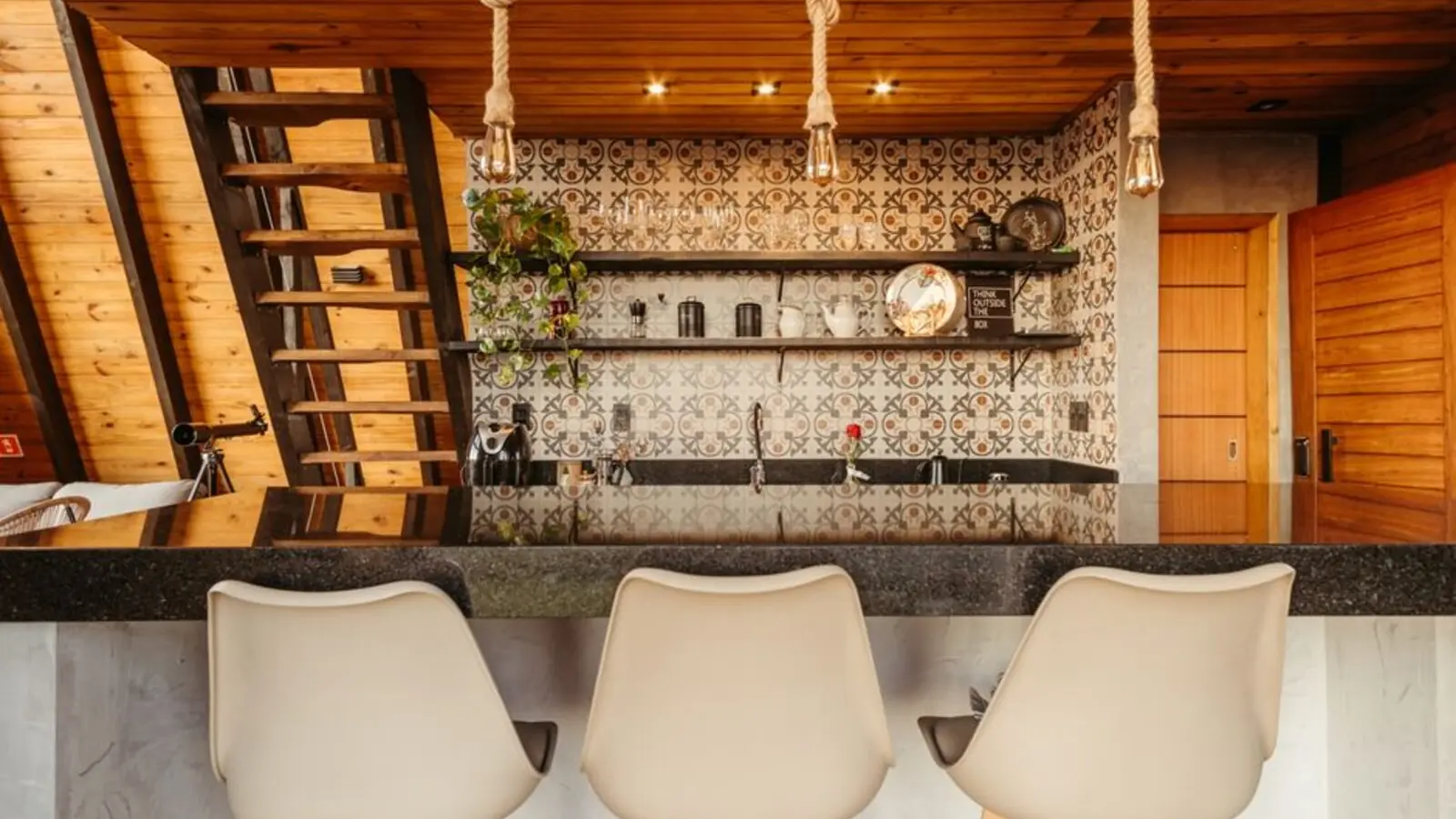
Bhandup West, Mumbai
1, 2, 3 BHK • Price on request
New-launch homes in Central Mumbai
Shared for informational purposes only; nothing here is an offer or a contract. Plans, prices, and visuals are representative and may be updated at any time. Verify independently before you commit. About · Projects
Share your details and our expert will call you back.