NMIA's phased opening is reshaping Navi Mumbai's real estate corridor

Enquire Now

How NMIA's Opening is Reshaping Navi Mumbai's Real Estate Corridor

The Navi Mumbai International Airport opened October 2025 and launched commercial operations December 25, 2025, with international flights following mid-2026. This transformation is far more than aviation infrastructure—it's unlocking a real estate revolution across the southern Mumbai corridor.

Airport-proximate areas like Ulwe and Panvel have shown sharper growth than Navi Mumbai's overall 27% five-year appreciation. Apartment prices in Panvel surged nearly 74% leading up to the airport's launch. Ulwe, closest to NMIA, now trades at ₹14,500–₹16,600 per sq ft, having nearly doubled since 2021. Panvel ranges ₹13,350–₹15,000 per sq ft with 20-23% year-over-year growth. Taloja, the affordable entry point, moved from ₹8,700 to ₹10,000 per sq ft.

The corridor now spans Ulwe, Panvel, Kharghar, Taloja, Karanjade, New Panvel and Dronagiri. Ulwe and Panvel lead through investor interest and job creation, while Taloja and Karanjade attract buyers priced out of Ulwe as rates continue rising. Kharghar, already well-developed, gains renewed prominence through improved transport links.

This isn't just price appreciation driven by speculation. The airport is expected to create around 4 lakh jobs, with ripple effects across logistics, hospitality, cargo, retail, and maintenance sectors. New roads, expanded railway lines, and an upcoming Aerocity business district are creating thousands of jobs. Corporate offices and MNCs are eyeing Navi Mumbai for expansion, translating into robust demand for both residential and commercial real estate.

Connectivity multiplies the effect. The Atal Setu sea bridge and Navi Mumbai Metro Line 1 have strengthened links between Navi Mumbai's corridors and the Island City. The sea bridge benefits Ulwe and Panvel by creating a genuine commuter corridor—South Mumbai professionals can reach offices in 40-45 minutes. Experts anticipate sustained annual appreciation of 8-12% over seven years as the region transforms into a global aviation and logistics hub.

Phase 1 capacity handles 20 million passengers annually, with plans to expand substantially, targeting roughly 60-65 million by 2029-30. As expansion phases roll out, further value appreciation and densification of surrounding areas are anticipated, with development of aerocity clusters, logistics expansion, and multimodal connectivity deepening airport integration with real estate markets. The early-entry window is narrowing—but for strategic investors willing to evaluate the fundamentals, the opportunity remains genuine.

Project

BIRLA Projects

Birla Estates Bund Garden
Upcoming

Birla Estates Bund Garden

Bund Garden, Pune

1, 2, 3 BHK • Price on Request

Upcoming premium homes in central Pune
Birla Estates Mharal-Varap, Kalyan
Upcoming

Birla Estates Mharal-Varap, Kalyan

Varap, Kalyan

1, 2, 3 BHK • Price on request

Upcoming Birla Estates address on Murbad Road
BIRLA NAVYA HINJAWADI
Upcoming

BIRLA NAVYA HINJAWADI

Hinjawadi, Pune

2, 3 BHK (proposed) • Price on request

Planned by Birla Estates for Pune's IT corridor
Birla Sector 150 Noida
Upcoming

Birla Sector 150 Noida

Sector 150, Noida

2, 3, 4 BHK • Price on Request

131-acre township with golf course & stadium

Birla Trimaya, Rajendra Nagar
Upcoming

Birla Trimaya, Rajendra Nagar

Rajendra Nagar, West Pune

2, 3, 4 BHK • Price on Request

Gated community near Hinjawadi belt
Birla Alandi
Pre-Launch

Birla Alandi

Alandi, Pune

2, 3 BHK • Price on Request

18-acre township, 75% open space
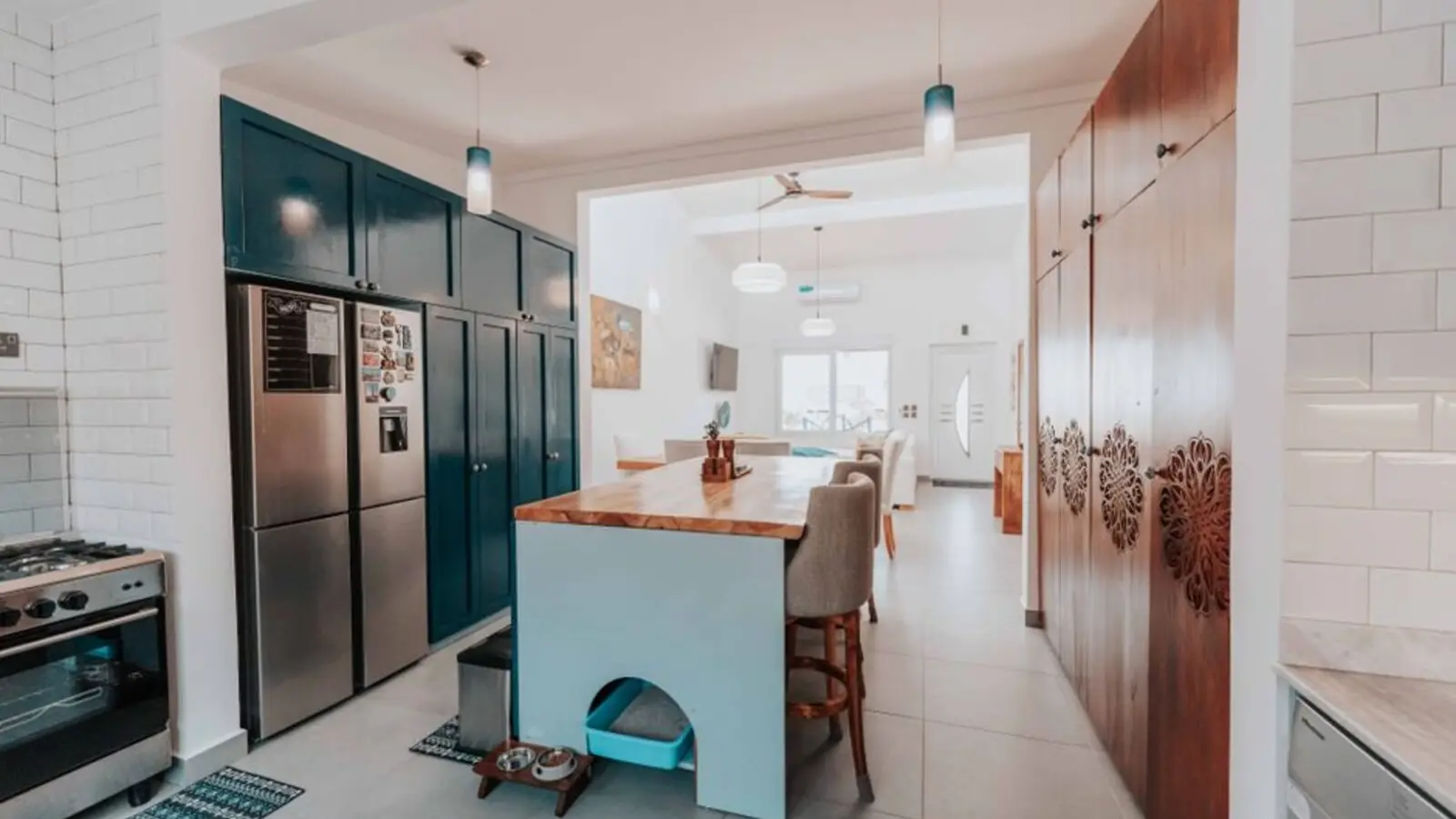
BIRLA ARNAA
Pre-Launch

BIRLA ARNAA

Rajarajeshwari Nagar, Bangalore

1, 2, 3 BHK • Price on Request

Pre-launch by Birla Estates
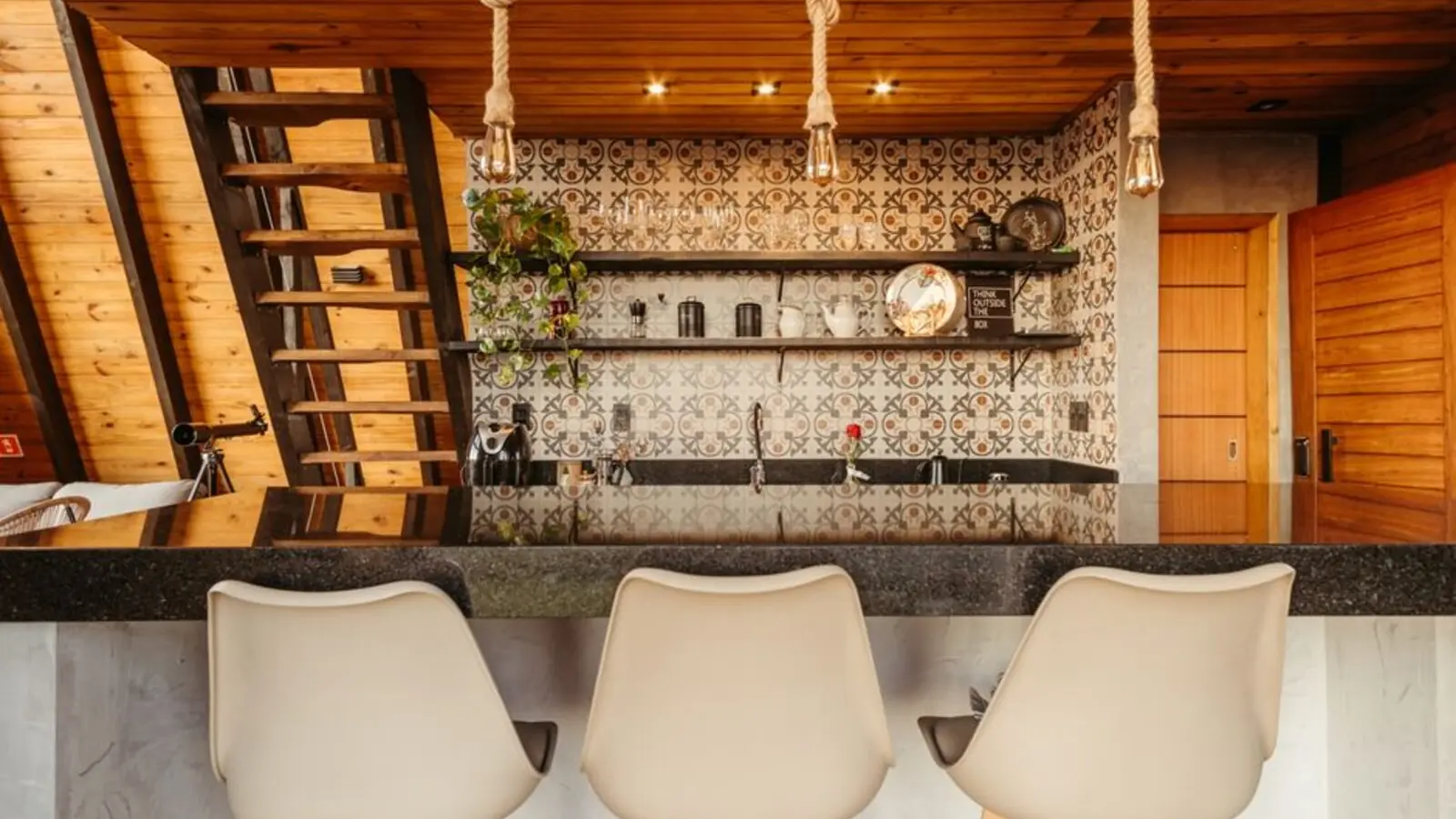
BIRLA BHANDUP
Pre-Launch

BIRLA BHANDUP

Bhandup West, Mumbai

1, 2, 3 BHK • Price on request

New-launch homes in Central Mumbai

Get In Touch

Fill in your details and we will reach out to you.

Back

FAQs

When did NMIA open and what does it mean for property buyers?
NMIA inaugurated October 2025 and launched commercial operations December 25, 2025. This marks the end of a decade-long promise and the start of real, measurable infrastructure impact. Property appreciation is now driven by actual airport operations, job creation, and connectivity—not speculation.
Which areas near NMIA have the highest growth?
Ulwe, closest to NMIA, now trades at ₹14,500–₹16,600 per sq ft, having nearly doubled since 2021. Panvel ranges ₹13,350–₹15,000 per sq ft with 20-23% year-over-year growth. Taloja and Karanjade represent the next wave, attracting buyers priced out of Ulwe.
Is it still a good time to buy near NMIA?
The window for early-entry prices is closing fast, making now the ideal time to evaluate your investment strategy in this booming corridor. However, Ulwe's airport advantage is no longer a secret, meaning some expected appreciation has been reflected in asking prices. Panvel and emerging areas like Taloja offer better value.
How much will property prices appreciate?
Experts anticipate sustained annual appreciation of 8-12% over seven years as the region transforms into a global aviation and logistics hub. Market data shows 15-20% year-on-year appreciation in the Panvel airport zone since NMIA became operational. However, appreciation varies by locality and project quality.
What jobs will NMIA create?
The airport is expected to create around 4 lakh jobs, with ripple effects across logistics, hospitality, cargo, retail, and maintenance sectors. When people work near the airport, they want to live nearby, which keeps demand for housing high.
Will metro connectivity reach these areas?
Metro Line 1 (Belapur to Pendhar) is fully operational, and Metro Line 8 (the Gold Line), designed to connect both airports in 30 minutes, is under active development. This will further strengthen residential demand across the corridor.
Should I invest in land or apartments near NMIA?
Airports create diverse workforce segments—airline staff, logistics professionals, hospitality workers—creating potential rental demand across a wider radius. Locations like Ulwe, Panvel, and Pushpak Nagar serve different income segments based on housing prices and transport access. Apartments near metro nodes offer liquidity; land in emerging zones like Dronagiri offers longer-term upside.
How long will the real estate boom last?
Phase 1 handles 20 million passengers annually, with expansion plans targeting 60-65 million by 2029-30. Property markets respond to what exists today and expectations about what an area could become over 5-10 years. The boom is tied to multi-year infrastructure rollout, not short-term sentiment.
What's the difference between Panvel and Ulwe as investments?
Ulwe trades at ₹14,500–₹16,600 per sq ft with sharper growth; Panvel ranges ₹13,350–₹15,000 per sq ft with strong year-over-year momentum. Ulwe's airport advantage is already priced in; Panvel offers better value with gateway positioning to the airport.
How is the Atal Setu impacting property values?
The sea bridge benefits Ulwe and Panvel by creating a genuine commuter corridor—South Mumbai professionals can reach offices in 40-45 minutes. Travel times from Ulwe and Panvel to BKC and South Mumbai have reduced significantly, changing residential demand patterns across the region.

Shared for informational purposes only; nothing here is an offer or a contract. Plans, prices, and visuals are representative and may be updated at any time. Verify independently before you commit. About · Projects